Best Ski and Snowboard Jacket Brands of 2026
The ski and snowboard jacket brands worth knowing in 2026, from direct-to-consumer value through to premium technical specialists. A UK skier's shortlist.
The ski jacket market is loud, and the loudest names are not always the ones worth buying from. This shortlist of six brands worth knowing in 2026 is picked on how they build, what they use, and how easy it is to actually get their kit in the UK, rather than on how big the marketing budget is. Each earns its place in a different way, and each suits a different kind of buyer.
The six brands below sit across the full price range, from direct-to-consumer value through to premium technical specialists, and weight both ski-heritage and snowboard-heritage labels because the construction differences between the two are less material than the marketing makes them sound. For each brand, one model worth knowing serves as the way in to what the company actually does well, rather than the seasonal flagship that runs through their winter campaigns.
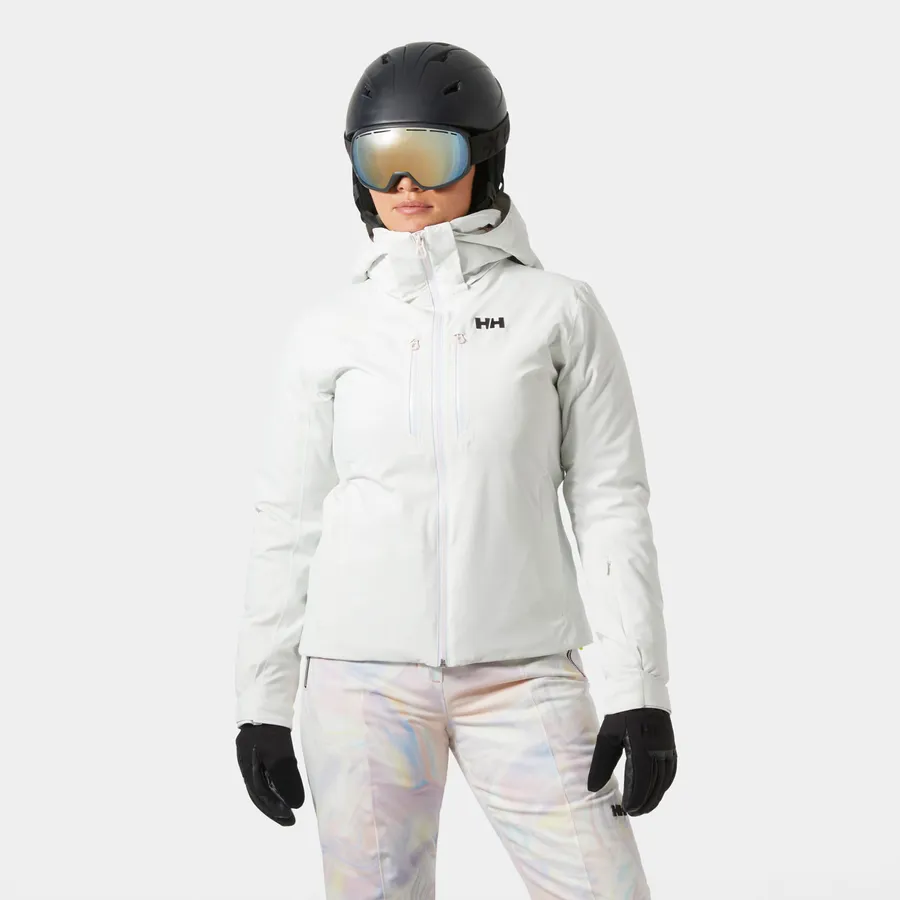
Helly Hansen
Helly Hansen has been making waterproof outerwear since 1877, and the brand has supplied multiple national alpine programmes over the years alongside running a deep consumer ski line. That national-team partnership history is a useful credibility signal for a brand selling technical resort outerwear, and Helly Hansen has a longer alpine and waterproof-outerwear history than most brands on this shortlist.
Both the Alpha LIFALOFT for men and the Alphelia LIFALOFT for women run the brand’s higher-tier HELLY TECH Professional membrane with LIFALOFT insulation, helmet-compatible hoods, adjustable powder skirts, and a RECCO reflector. The women’s-cut Alphelia adds the Life Pocket+ insulated phone pocket. RRP £480 for both. The cut leans toward proper alpine layering rather than resort-lifestyle styling, and the warmth is engineered for the kind of January and February ski weeks where the chairlift is colder than the run beneath it.
Distribution is unusually deep across UK retail, with Snow+Rock, Ellis Brigham, and Absolute Snow all carrying the current line alongside the brand’s direct UK site. In-person fitting is straightforward, which sets Helly Hansen apart from the direct-to-consumer brands that ship without try-before-you-buy. See the Alphelia LIFALOFT at Helly Hansen UK.
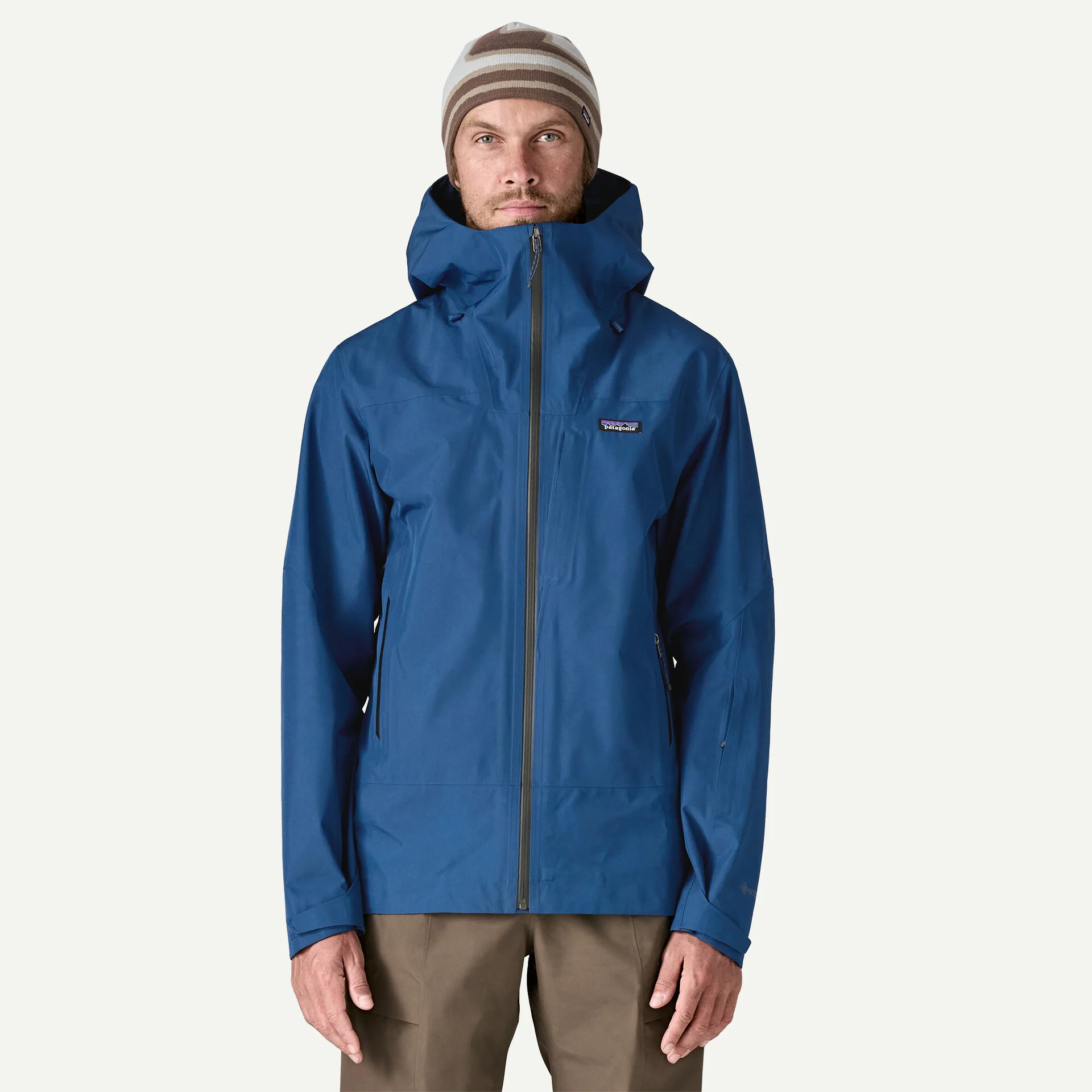
Patagonia
Patagonia is the clearest premium-shell pick on this list. The snow shells use the same technical-material language as its alpine and climbing kit that built the company in 1973: GORE-TEX or GORE-TEX ePE membranes, recycled face fabrics, Fair Trade Certified manufacture, and construction where the fabric, membrane and DWR finish are all made without intentionally added PFAS. The Worn Wear repair and resale programme is more visible than most rivals’, backing up a sustainability story that has been part of how the company operates for decades.
The Storm Shift for men is the anchor for the resort skier, a 2-layer GORE-TEX ePE shell with a body-mapped zigzag fleece liner that adds a small measure of warmth without the bulk of an insulated jacket. RRP £450, though Patagonia UK’s live pricing varies by colourway and size. Patagonia lists it as regular fit, with enough room for the layering that suits the British skier doing one or two trips a year across variable Alpine weather.
Switchback Travel’s review of the Storm Shift is positive on weather protection, build quality, and long-term durability. That long-ownership argument is where the £450 has to earn its keep against cheaper jackets that need replacing more often. The actual per-season cost depends on care, fit, and how many days the jacket sees on snow. See the Storm Shift on Patagonia UK.
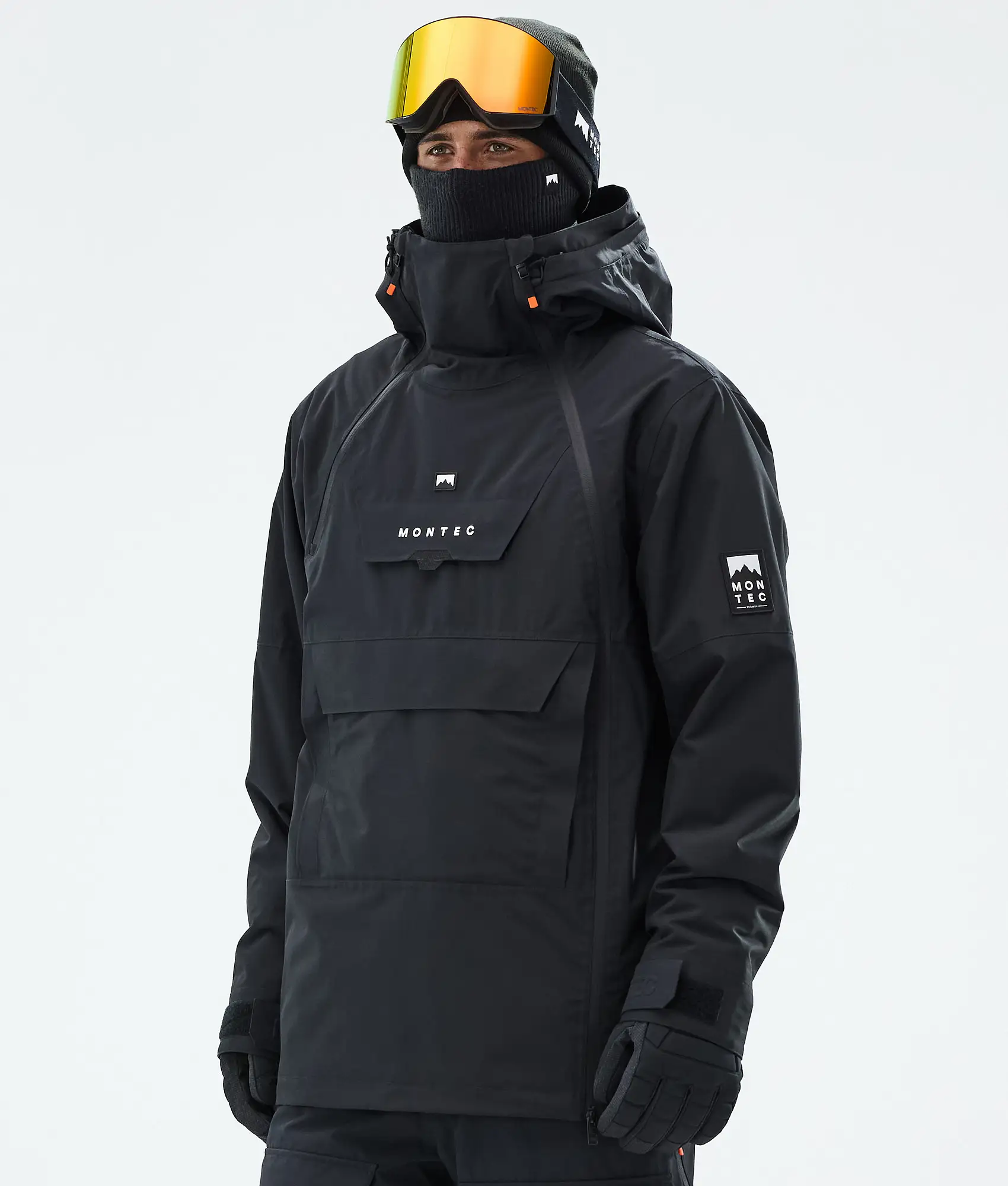
Montec
Montec prices its UK range well below heritage-brand pricing for a similar headline spec. A 20,000mm waterproof rating with fully taped seams (Sealon system) and a PFAS-free DWR is the running baseline across the line, sitting at the price band where most British skiers are realistically shopping for a serious second jacket, and the headline construction spec competes with jackets that often cost significantly more.
The Doom for men and the Moss W for women are where the value tier really begins in 2026, with the Doom at £218 RRP across colourways and the Moss W at £200. Both run bonded construction with a properly engineered storm-guard hood, real zipped underarm venting, and a snow skirt that closes with a button that actually engages. UK fulfilment runs direct from Montec’s own platform with straightforward returns.
The trade-off is the lack of in-store fitting, which matters for skiers who want to try a cut on before committing to it. For buyers happy to order, try, and return where needed, Montec is the place the value tier begins in 2026. See the Doom in Black on Montec UK.
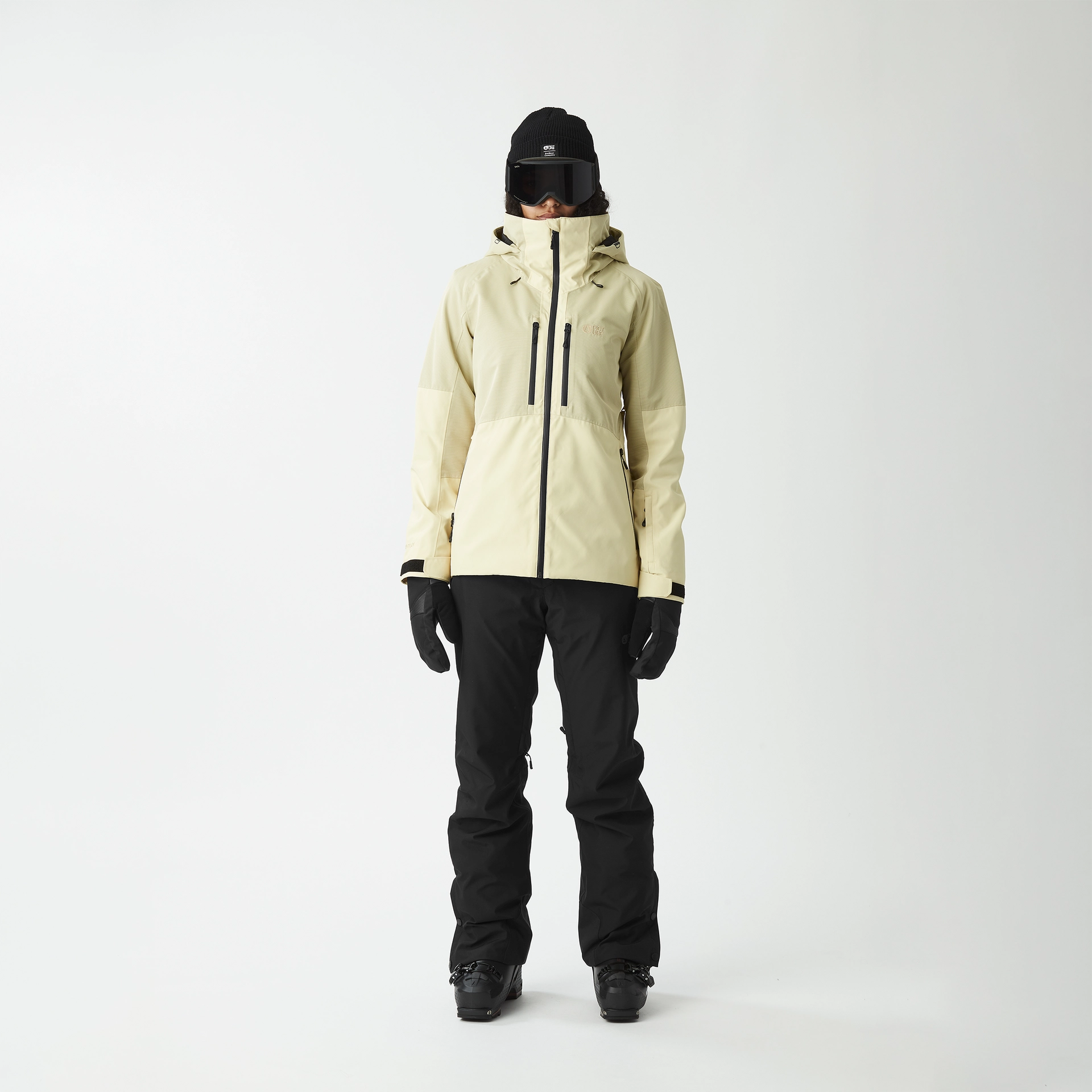
Picture Organic
Picture Organic launched in 2008 from Clermont-Ferrand with a sustainability-led brief that has remained more consistent than many newer sustainability claims in the space. The company is B Corp certified, runs bluesign-approved fabrics across roughly 90% of products, and has been early and visible in using bio-sourced face fabrics on the Expedition line (Aeron, Demain, Welcome). Sustainability has been part of Picture from the start rather than a late add-on.
The Sygna for women is the natural anchor for British skiers: a Dryplay 20K/20K membrane, 100% Circular Polyester Mini Reps Solid shell, fully taped seams, YKK waterproof zippers, pit zips, three-point adjustable hood, elasticated snow skirt, and Picture’s Teflon Ecoelite PFC-free DWR. RRP is listed around £360, with UK retail pricing varying by stockist and colourway.
Where Picture is the strongest pick: a buyer whose sustainability values are part of the decision, who wants a credible technical spec, and who is not paying a heritage-brand premium for the privilege. See the Sygna at Picture Organic.
Burton
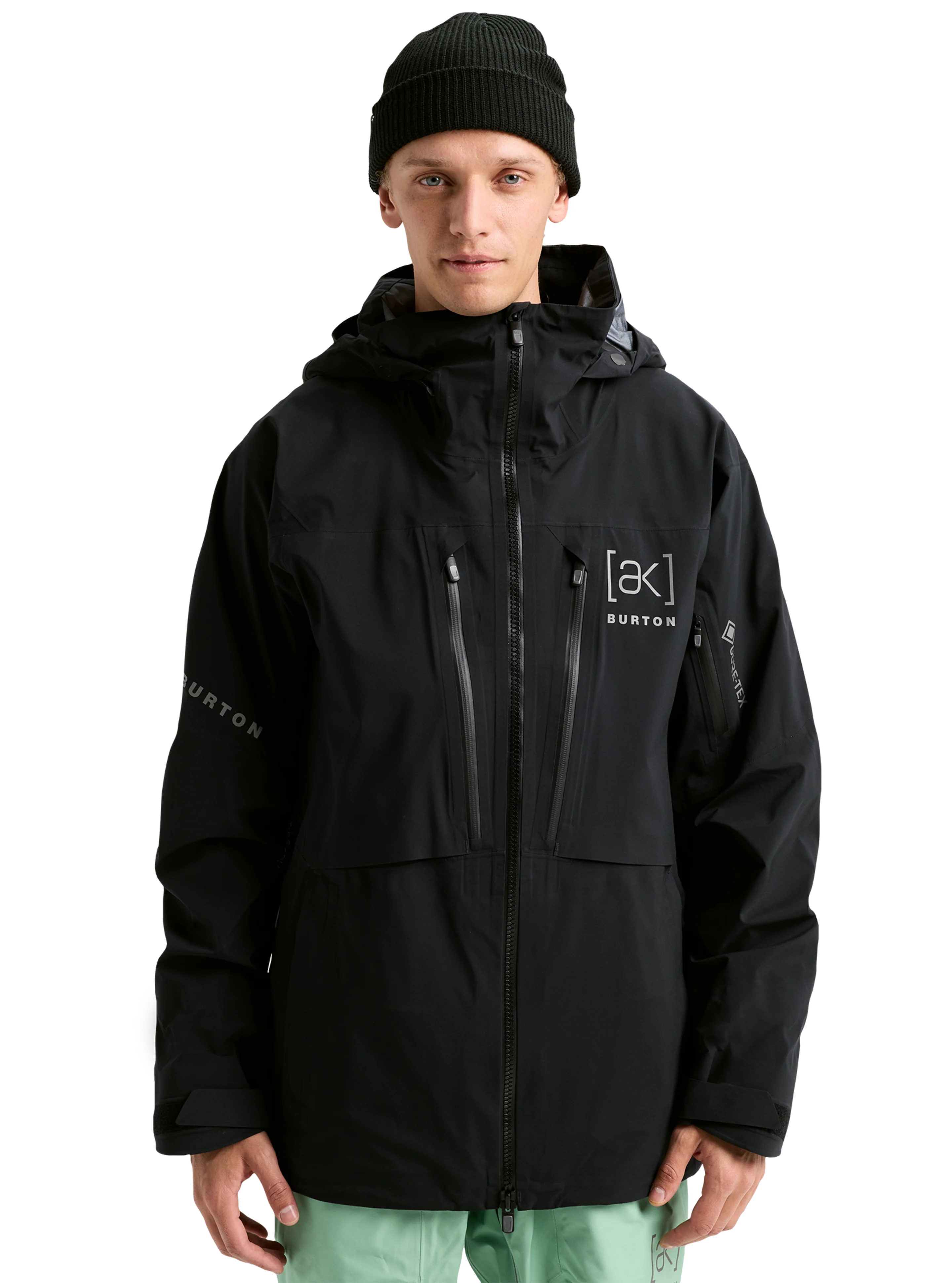
Burton was founded in Vermont in 1977 and has spent nearly five decades building the technical and commercial infrastructure of snowboarding. The technical outerwear shipping now competes head-to-head with ski-heritage rivals on construction. The design language reads differently from a piste-focused ski jacket, with longer cuts, more articulation through the shoulder, and a hood sized to clear a snowboard helmet generously, but the membrane systems and feature sets compete on equal terms with anything Helly Hansen or Patagonia ship at comparable prices.
The Burton [ak] Hover GORE-TEX C-Knit 3L Stretch Jacket is the strongest anchor for the serious rider or the skier who wants more layering room. Construction is 3-layer GORE-TEX with the C-Knit backer, fully taped seams, RECCO reflector, an adjustable hood, pit zips, and a removable waist gaiter with a jacket-to-pant interface in place of a traditional powder skirt. RRP £675 on Burton UK. Burton lists it as regular fit, but the snowboard design language gives it more room through the shoulder and torso than the piste-focused alpine jackets on this list.
Where Burton is not the right call: pure piste-focused skiers who want a tighter resort-style cut and a shorter hem. The brand’s strengths lie in versatility across both disciplines rather than in optimising for one. See the [ak] Hover on Burton UK.
Sweet Protection
Sweet Protection was founded in Trysil, Norway in 2000, originally a kayak-helmet operation that grew into ski and freeride helmets across the decade that followed. The helmet and goggle range is the core of the brand, and the outerwear is a smaller but technically serious extension of that work. Sweet Protection runs an athlete programme that includes current and former World Cup alpine racers (Tommy Ford, Ragnhild Mowinckel among others), and the credibility of the helmet engineering carries over to a small, premium outerwear range.
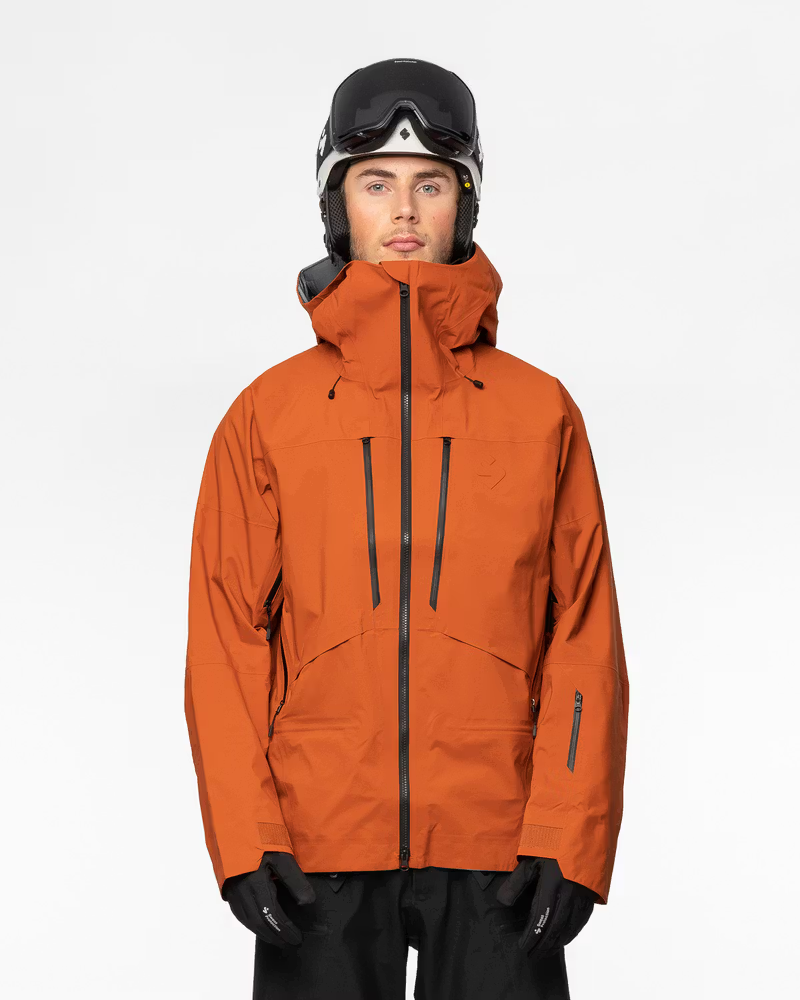
The Crusader GORE-TEX Pro Jacket, available in men’s and women’s cuts, is the clearest example of Sweet’s outerwear thinking applied to resort and off-piste use. The construction is a 3-layer GORE-TEX Pro 70-denier shell with sealed seams, an articulated fit, a helmet-compatible adjustable hood, a removable powder snow skirt with silicone grip, a two-way ventilation zip, integrated hand gaiters with thumb holes, and 50%+ recycled synthetic materials. Waterproofing is rated at 20,000mm with 20,000g breathability. RRP 799 EUR (approximately £680) direct via Sweet Protection’s European store. The price sits above most of this list, and the brand earns it through a construction spec more commonly seen on high-end freeride shells.
Where Sweet Protection is the right call: a buyer who wants a 3L GORE-TEX Pro shell from a brand that carries its helmet-side engineering approach into outerwear, applied to a small, focused range rather than a mass product line. See the Crusader at Sweet Protection EU.
How to pick a brand
The question is not which brand is best in absolute terms. Each of the six above earns its place in 2026 by serving a different priority well, and the right choice follows from the priority, not from a ranking.
If price is the dominant consideration and a direct-to-consumer purchase is acceptable, Montec is the cleanest place to land at the value end of the market this season. The spec runs ahead of the price tag by enough of a margin that the trade-off (no in-store fitting) is worth taking for most skiers willing to manage a return if needed.
If brand provenance and a heritage technical pedigree are what you want sitting behind the jacket, Helly Hansen has one of the longest continuous claims and a long-standing pattern of supplying national alpine programmes. Construction quality, UK retail distribution, and the breadth of the range across price tiers all sit at the high end of what the market offers.
If technical durability and a credible sustainability programme are the priority, and the budget runs to a premium shell, Patagonia is the safer call. The Worn Wear repair and resale programme is the part most rivals cannot match on operating commitment, and the construction across the line is built for long ownership rather than for the season ahead.
If sustainability is the leading factor but the budget will not stretch to Patagonia, Picture Organic is the most credible alternative on the list. The certifications are real and independently audited, the technical spec sits at parity with the rest of the mid-premium tier, and the retail discounting that runs through the year tends to bring the price into mid-range territory anyway.
If you ride and ski, or you prefer a looser cut over a tighter alpine fit, Burton is the brand that designs for both disciplines without compromising either. The [ak] range in particular is where the technical work sits.
If you want the most technically uncompromising spec on the list and the budget allows, Sweet Protection’s 3-layer GORE-TEX Pro construction sits at the ski-mountaineering end of resort and off-piste use. The brand is primarily a helmet and goggle maker; the outerwear is a small premium extension of that engineering work, not a mass product line.
For specific jacket recommendations across the tiers above, the Best Ski Jackets of 2026 shortlist names individual models and current pricing. For the framework behind the decisions, the ski jacket buying guide covers what each spec actually means once you are on snow.